The Nijmegen Bombing: Accident or Something More?
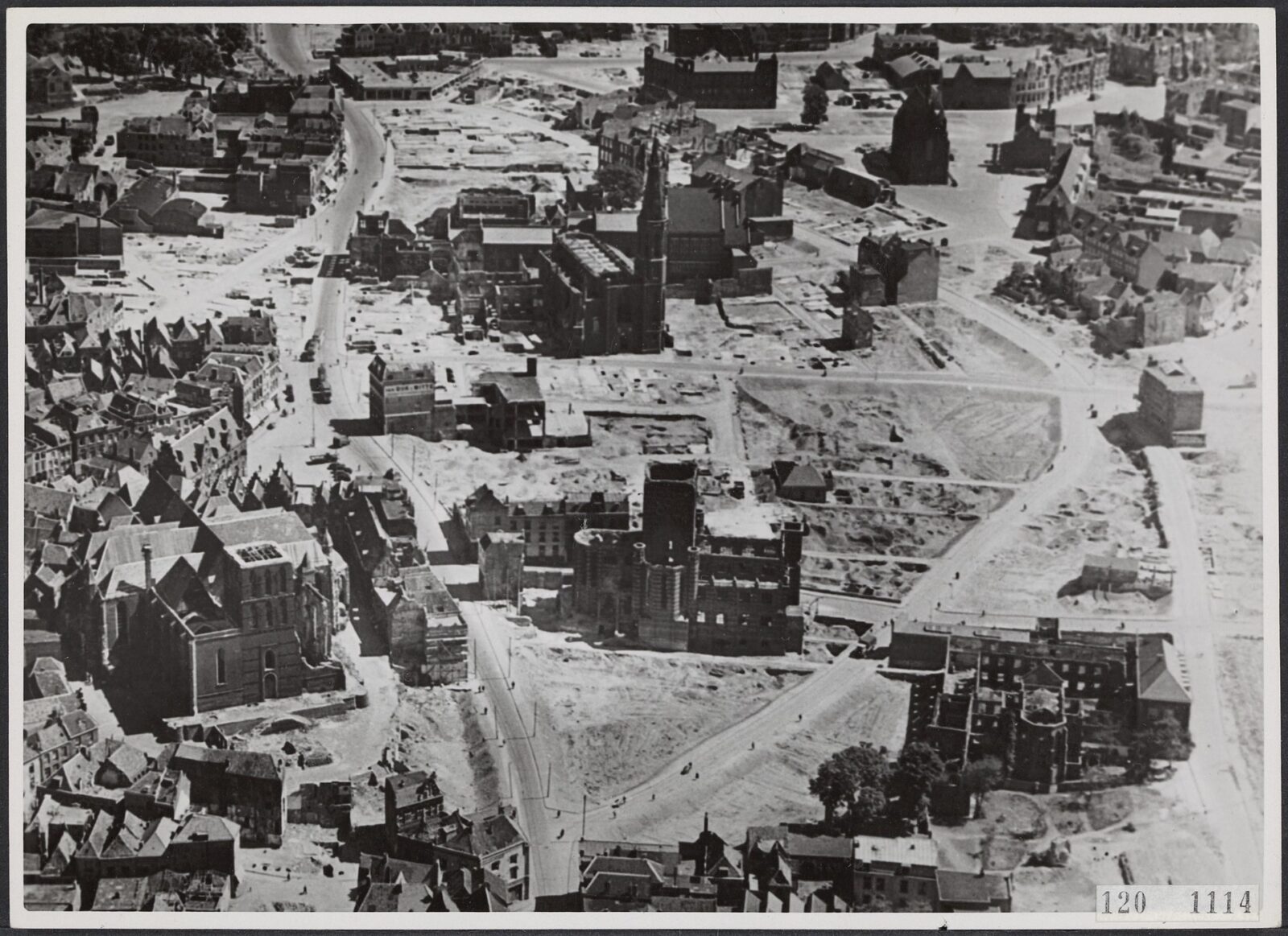
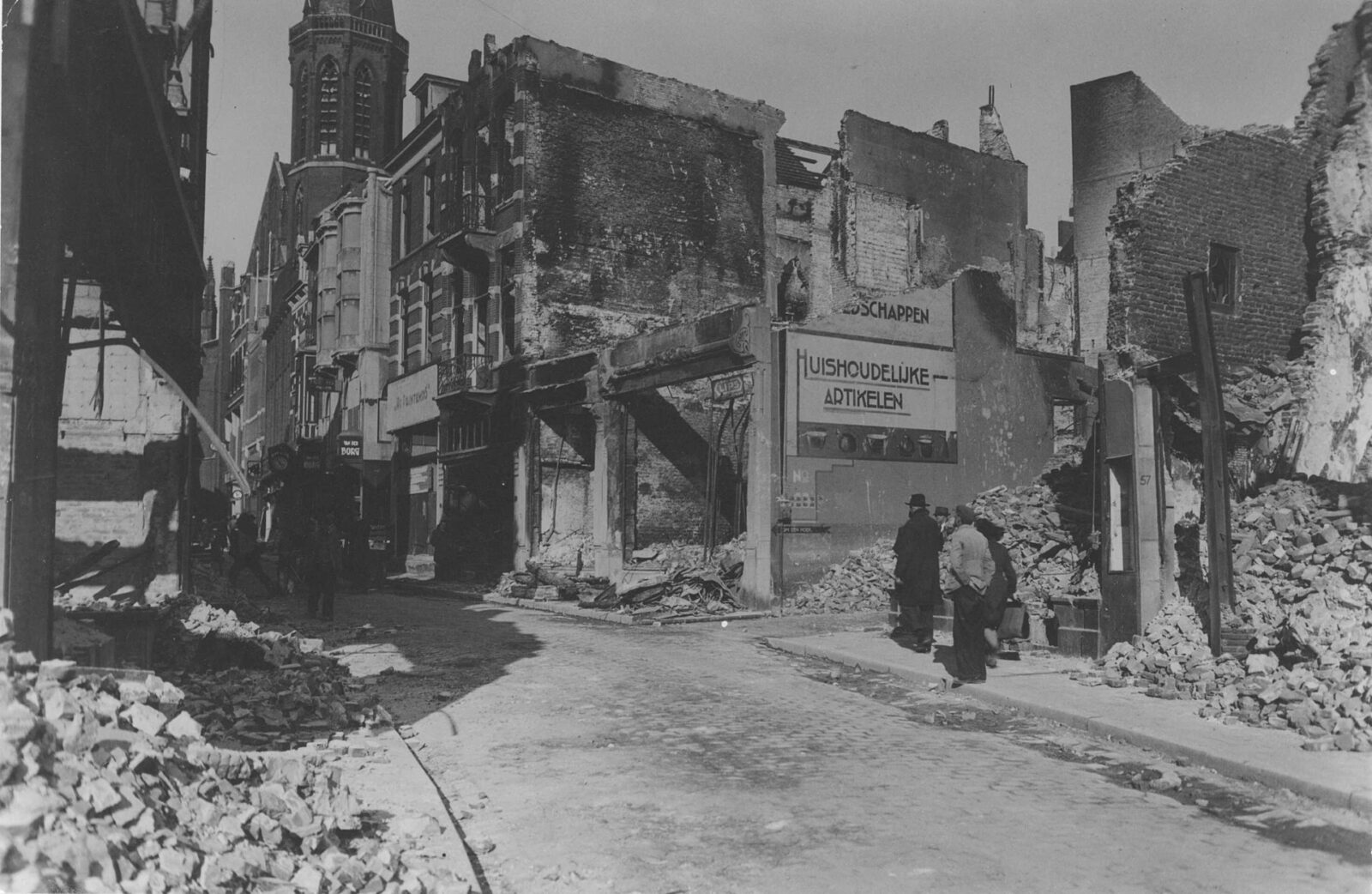
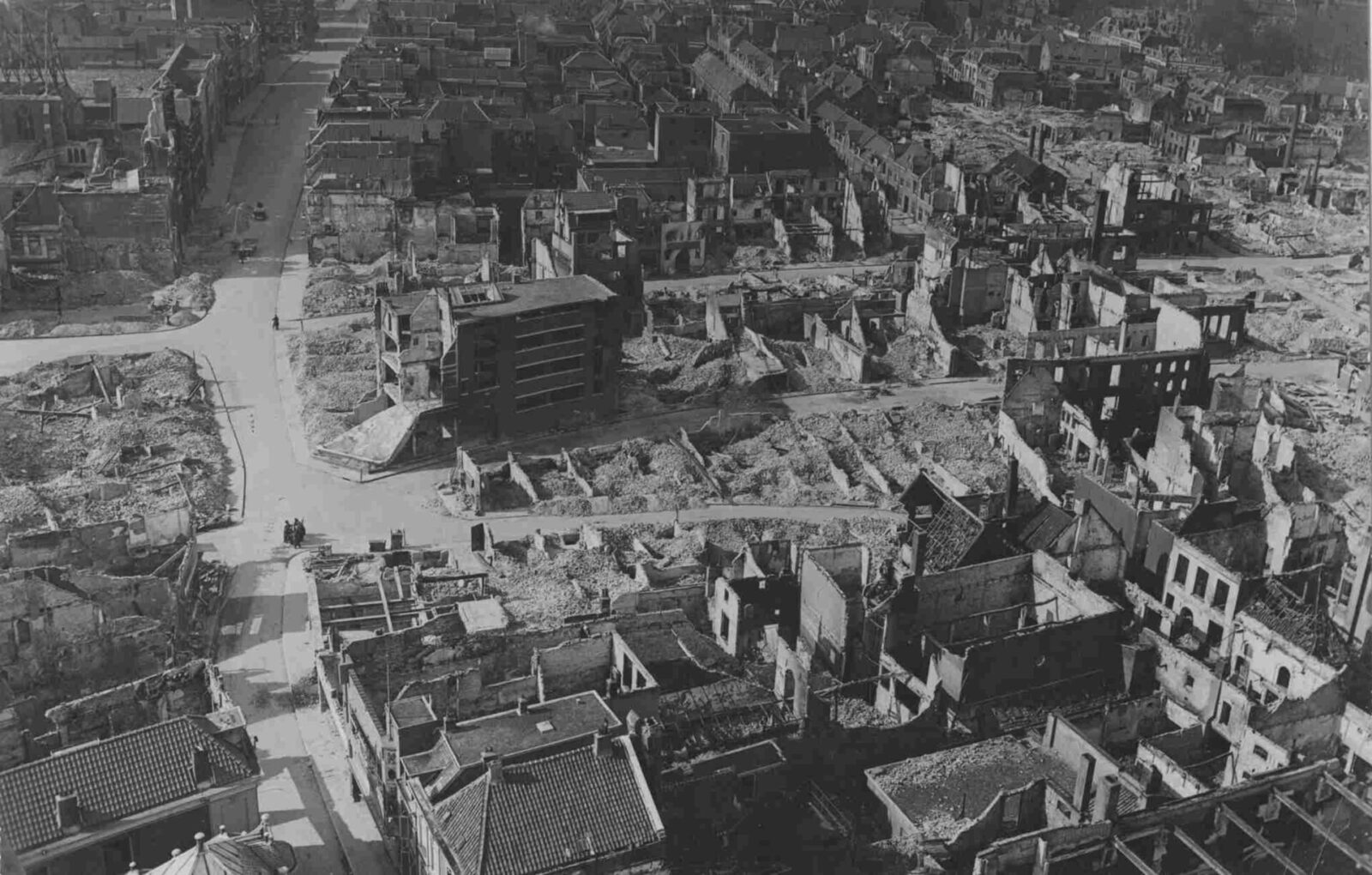
On February 22, 1944, the Dutch city of Nijmegen suffered a devastating bombing by Allied air forces. Officially, it was said to be a tragic mistake—the bombs were meant for the German town of Kleve, just across the border, targeting German troops and infrastructure. But due to navigational errors and poor weather, the bombs fell on Nijmegen instead.
This attack turned out to be one of the deadliest air raids on Dutch soil during World War II. Nearly as many people died here as in the infamous Rotterdam bombing, yet the tragedy remains far less known. After the war, investigations tried to make sense of what happened.
The big question was: why did the Allies, our friends and liberators, bomb the heart of Nijmegen? For decades, the official story was that the pilots thought they were still flying over Germany and were attacking targets like Kleve or Goch—meaning it was an honest mistake.
Alternative explanations barely got airtime because, after all, the Allies were on our side. The idea that they could deliberately kill so many Dutch civilians was hard to accept. But for the people of Nijmegen, the thought that their city was destroyed ‘by accident’ was difficult to swallow.
In fact, there were signs it wasn’t just a mistake. Some pilots said they knew they were flying over Nijmegen, though not all could say if it was Dutch or German territory. Their actual target was the railway yard, heavily used by the Germans for transporting weapons.
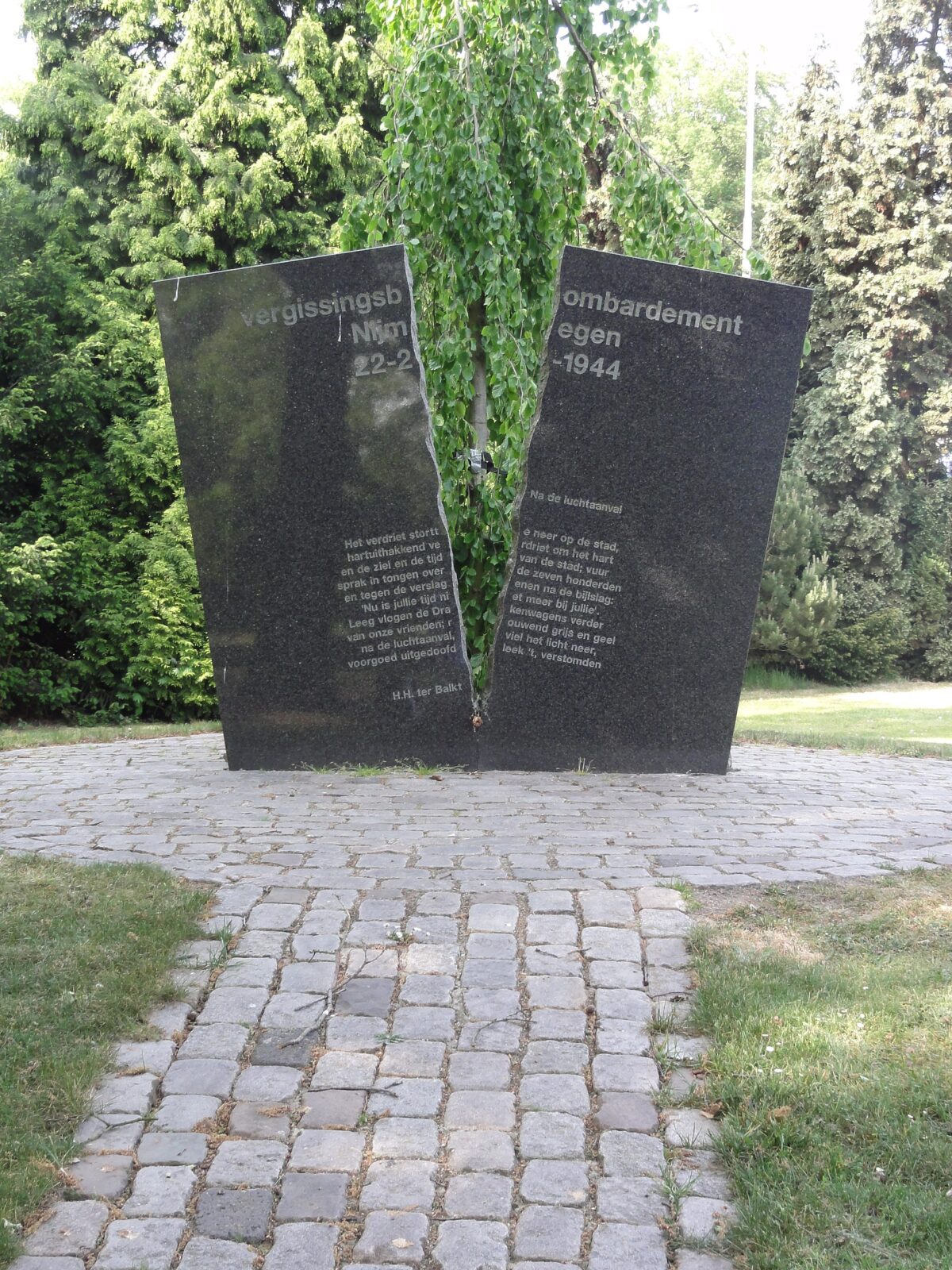
It wasn’t until the 1980s that the victims of the bombing—still officially labeled an accident—were commemorated. In 2000, the memorial “De Schommel” (The Swing) was unveiled. Only years later did historian Joost Rosendaal’s research shed new light on the event.
In 2009, Rosendaal concluded that the bombing was more than a simple error. “A target of opportunity was deliberately bombed, but it wasn’t clearly identified,” he told De Gelderlander.
According to Rosendaal, the Americans knowingly took a significant risk, but communication and execution went terribly wrong. While the railway yard was hit, most bombs fell too early and devastated the city center instead. Simply put: the bombing wasn’t an accident—it was a ‘faux pas,’ a serious blunder.
Remembering Nijmegen: Lessons from History
The story of Nijmegen’s bombing reminds us how war’s chaos can lead to tragic consequences, even when intentions are supposedly good. It challenges us to look beyond official stories and acknowledge the complex realities of conflict—where mistakes, risks, and human error can have devastating effects on innocent lives.
Today, the city honors its lost citizens with solemn memorials and annual commemorations, ensuring that their stories are not forgotten. By remembering, we not only pay respect but also deepen our understanding of war’s human cost—urging us to strive for peace and careful decision-making in times of conflict.