Operation Varsity
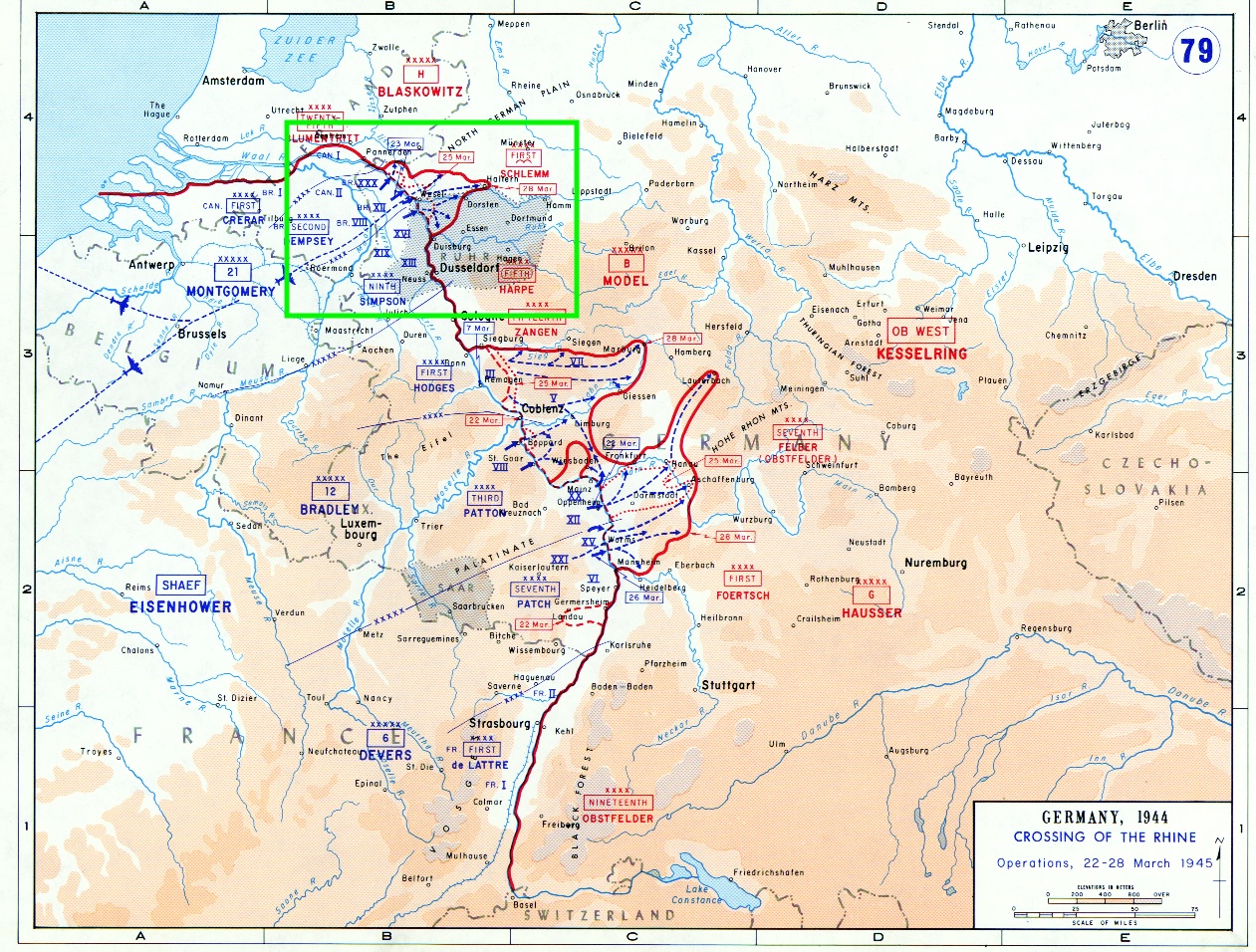
On March 27, 1945, Operation Plunder came to an end. While running the paths during the Liberation Trail on Tour at Groesbeek, we came across the name Operation Varsity. This was an Allied airborne operation that was part of the larger Operation Plunder, which took place from March 23 to 27, 1945. More than 16,000 paratroopers and thousands of aircraft took part in Operation Varsity under the command of Field Marshal Montgomery. The objective was to cross the northern part of the Rhine River and from there advance into northern Germany. Looking at the map, you can see a kind of bulge in the front line near Nijmegen—that is the area where we will also be running during the Liberation Trail this coming June.
After the partly failed Battle of Arnhem in September 1944 and the Battle of the Bulge in December 1944 to January 1945, the Allies had by March advanced into Germany up to the banks of the Rhine. This river was the last major natural barrier preventing the Allies from advancing toward Berlin and other major cities in northern Germany. On March 7, the Allies had already captured a bridge in Remagen, located further south. In line with General Dwight David Eisenhower’s “broad front approach,” it was decided to attempt crossing the Rhine at several points. Montgomery designed Operation Plunder, in which the British 2nd Army and the American 9th Army would cross the Rhine at Rees, Wesel, and the area south of a canal near Lippe.
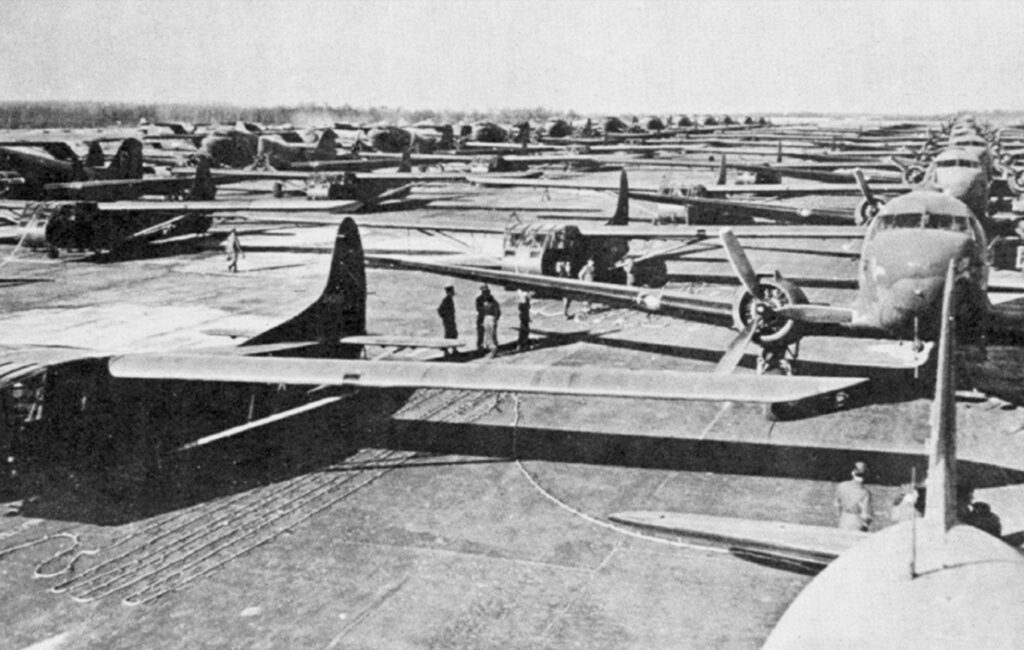
Operation Varsity was the largest single-day airborne operation during the war. The troops were to be dropped only after the amphibious assault on the Rhine had begun. Furthermore, the distance to their own lines was short, aiming to avoid a failure like Operation Market Garden. It was also intended that both divisions would be dropped simultaneously to maximize the element of surprise.
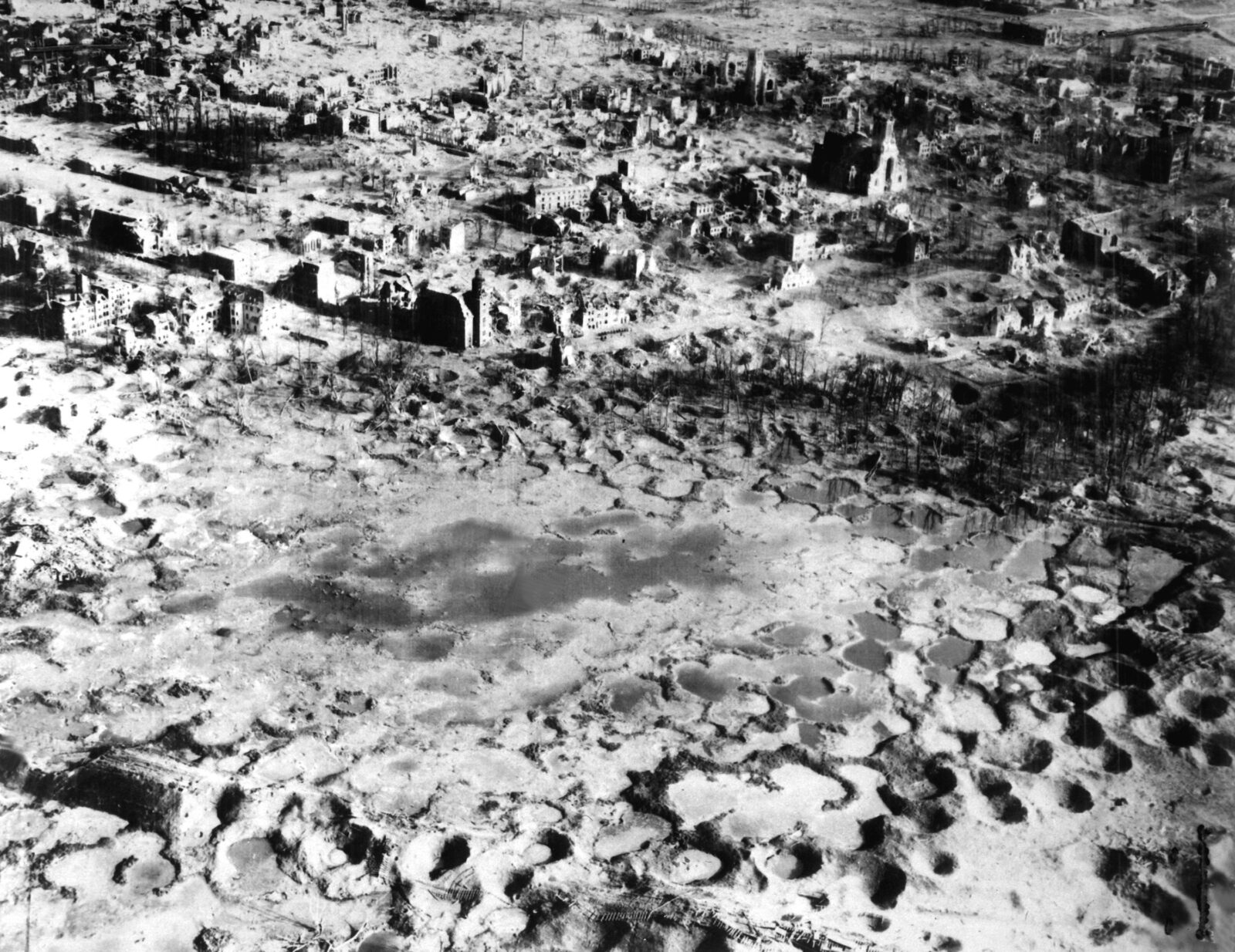
Paratroopers, gliders, bombings, and ground troops were all part of this operation, which was ultimately considered a success. The airborne troops achieved all their objectives within a few hours. The bridges over the Issel were secured, the Diersfordter Forest was cleared of enemy forces, the town of Hamminkeln was quickly captured, as were all roads that could have been used for a rapid German counterattack. On the night of March 24, the Scottish 15th Infantry Division linked up with units of the 6th Airborne Division. Three days later, twelve provisional bridges had been built across the Rhine, and twelve divisions had advanced sixteen kilometers inland. In the days and weeks that followed, the front collapsed further. For this success, many men once again paid the ultimate price, with nearly 7,000 Allied casualties. The number of German soldiers who lost their lives is unknown, but more than 16,000 were taken prisoner.
The Allies were unstoppable and soon pushed on toward Berlin and the Eagle’s Nest in Bavaria.