The Battle of the Bulge
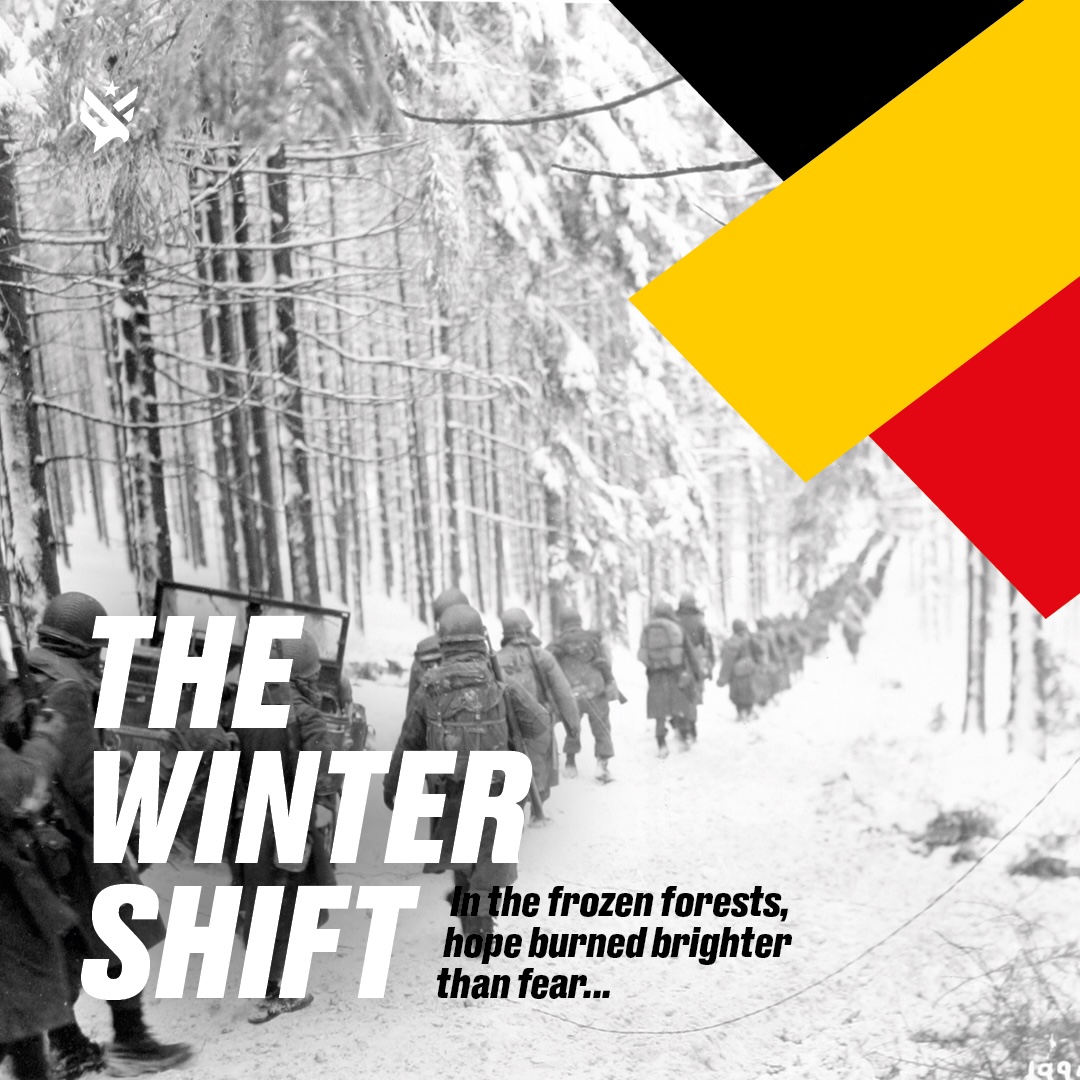
On December 16th in 1944 the Germans started their Unternehmen Wacht am Rhein, better known as The Battle of the Bulge or the Ardennes Offensive.
In december 1944, as World War II seemed to be turning decisively in the Allies’ favor, Nazi Germany launched a surprise counteroffensive in western Europe. On December 16, 1944, German forces attacked Allied positions in the Ardennes Forest, a rugged, lightly defended region along the Belgian-Luxembourg border.
Hitler’s plan was to exploit poor winter weather, which grounded Allied aircraft, and to break through American lines, cross the Meuse River, and capture the vital port of Antwerp. Doing so would split British and American forces and force the Western Allies to negotiate peace.
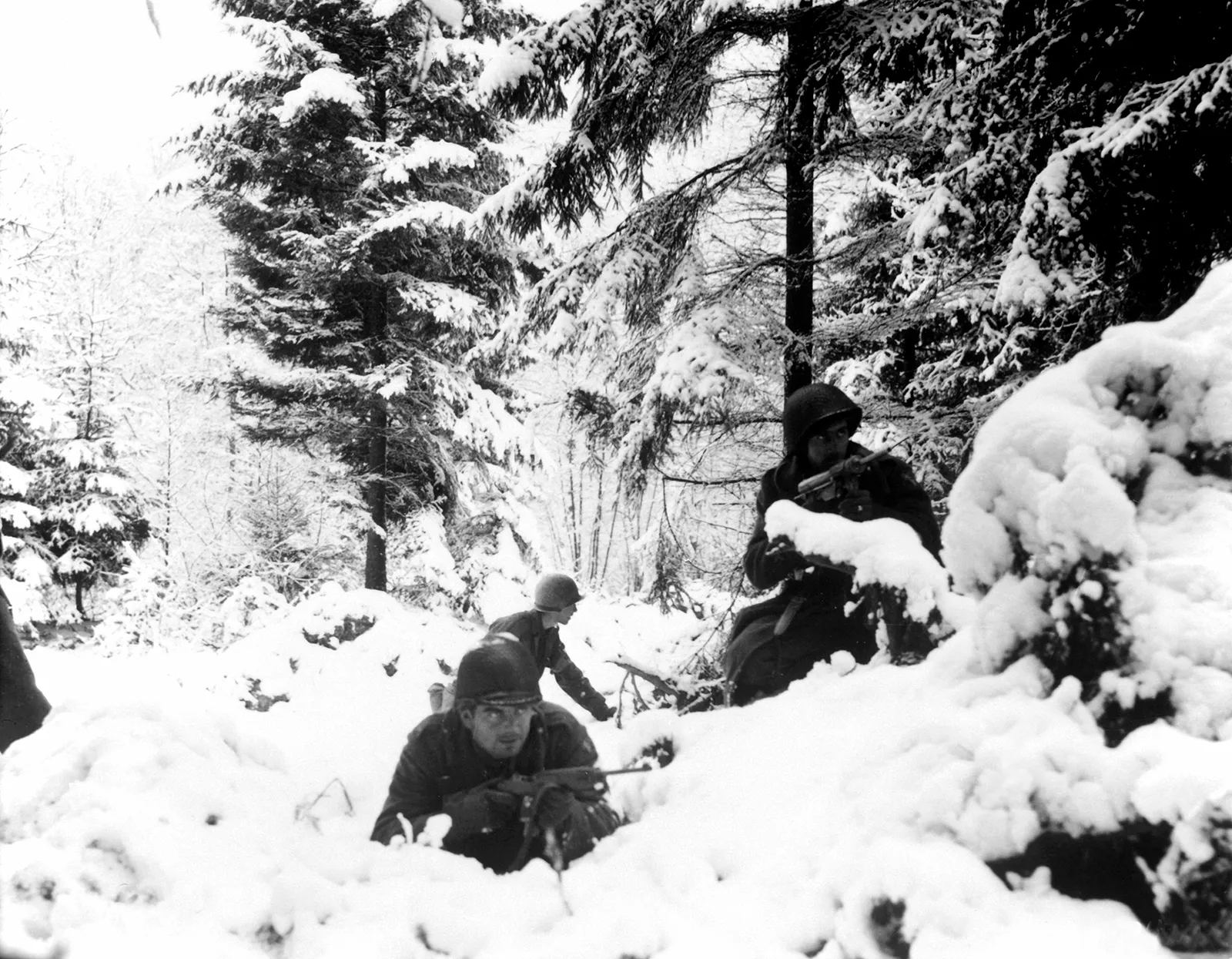
The initial assault caught many U.S. units off guard, especially inexperienced or resting divisions. German troops used massive artillery barrages, infantry attacks, and armored thrusts, creating a large bulge in the Allied front lines—giving the battle its name. Confusion was widespread, with disrupted communications and isolated American units holding out in key towns.
Despite early German gains, stubborn American resistance—most famously at Bastogne—and logistical problems began to slow the advance. As the weather cleared later in December, Allied air power returned, setting the stage for the eventual German defeat.
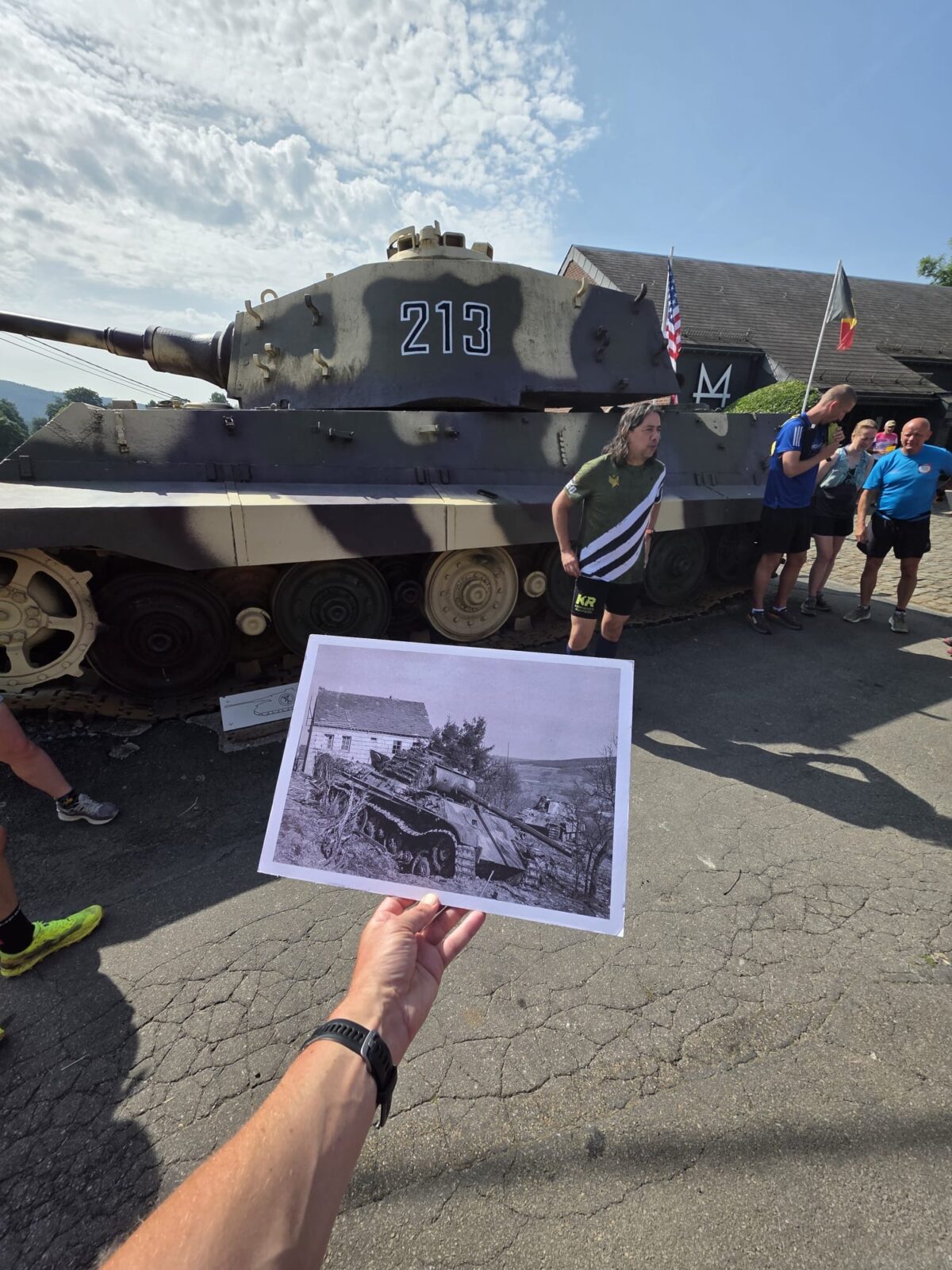
With the 2026 edition of the Liberation Trail the third and fourth stage will take place in the center of this Second World War battlefield, where the German tank divisions broke through enemy lines, where they ran out of fuel, where the Nazi’s left everything behind and where they escaped back to Germany in the middle of the night.
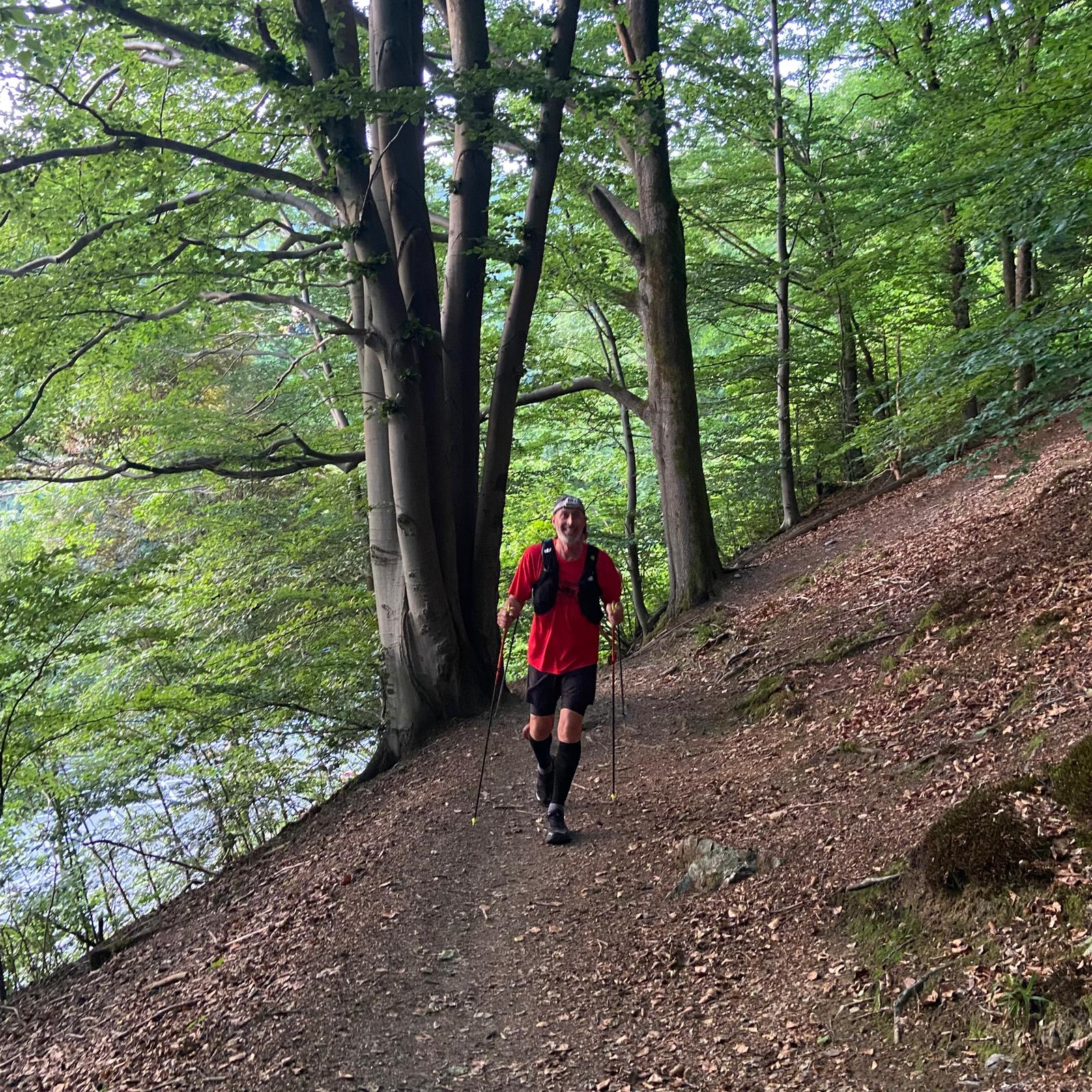
For you there will be a night trail and a hilly stage in the astonishing nature of this part in Belgium.